Home › Brick Veneer Installation
Our team installs high quality brick veneers in Detroit, MI to refresh outdated siding and facades. We handle preparation, moisture control, and precise veneer layout to create the look of full brick while keeping weight and cost in check.
Superior Masonry Detroit provides professional brick veneers throughout Detroit, MI, Michigan and the surrounding area. Our licensed, insured crew delivers safe, clean, on-time work with a free estimate before anything begins. Call (313) 464-0145 or request your free quote.
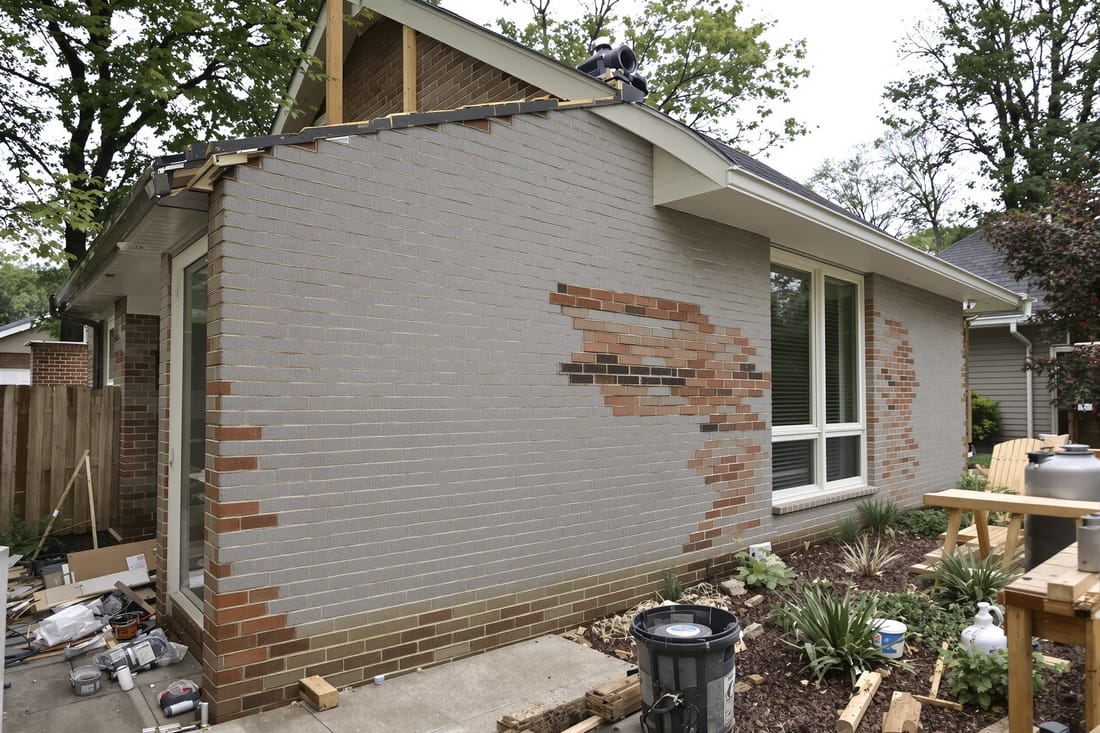
Brick Veneers for Detroit Homes and Buildings
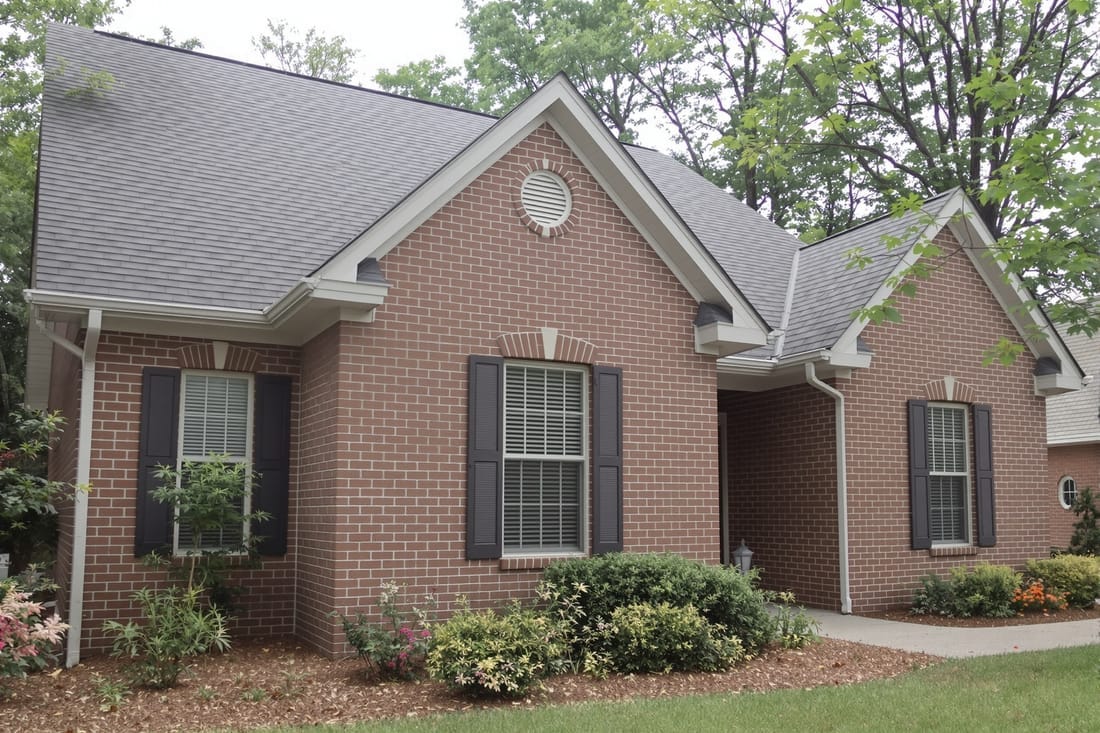
Brick veneers give you the look of full brick without rebuilding your structure. Superior Masonry Detroit installs brick veneers on homes, garages, storefronts, and commercial interiors across Detroit and nearby suburbs.
A brick veneer is a single outer layer of brick tied to a wood, steel, or masonry backup wall. It is not load bearing, but it must be installed correctly so it handles Detroit weather, freeze and thaw cycles, and wind off the river. Done right, a veneer looks like solid brick and can last decades with very little maintenance.
Property owners in Detroit usually choose brick veneers for three reasons: to cover damaged or outdated siding, to match existing brick on an addition, or to upgrade a plain front elevation for curb appeal. We frequently install veneers on 1950s and 1960s bungalows in neighborhoods like Warrendale and East English Village where people want a more traditional brick look without full reconstruction.
Superior Masonry Detroit focuses on practical details. Before we talk colors or patterns, we check the existing structure, moisture path, and base conditions so the veneer will stay bonded and drain water correctly over years of Michigan winters.
How Our Brick Veneer Installation Process Works
Every brick veneer project with Superior Masonry Detroit follows a clear, job tested sequence so there are no surprises.
1) Site visit and assessment: We inspect the existing wall, check for rot, bowed framing, deteriorated masonry, or water entry points. On older Detroit homes, we often find failing aluminum or vinyl siding, cracked block foundation skirts, or soft sheathing behind old siding. If there are structural concerns, we tell you before any veneer work begins.
2) Measurements and layout: We take detailed measurements, including window and door locations, sill heights, and any out-of-level conditions. Detroit housing stock is rarely perfectly plumb or square, so we plan the brick coursing and cuts so the final look is straight even if the house is not.
3) Surface prep: For wood framed walls we remove loose siding and fasten sheathing as needed. Then we install a weather-resistant barrier, flashings at windows, doors, and ledger boards, and metal or fiberglass brick ties into the studs on a set pattern. For existing block or poured concrete we clean the surface, repair cracks, install ties or anchors, and apply a scratch coat if the veneer will be adhered.
4) Support and weep system: Full veneer wythe sections and some panel systems require a proper support angle or foundation ledge. We install steel angle irons or check your existing brick ledge to make sure it can carry the veneer. At the base and above openings, we install weep holes or weep products so moisture can exit instead of getting trapped behind the brick.
5) Brick laying or panel setting: Our masons lay brick courses in your chosen bond pattern, checking level and plumb constantly. We use mortars rated for freeze and thaw exposure common in Detroit. For thin brick veneer systems, we set panels or individual units on properly prepared substrates with setting materials specified by the manufacturer.
6) Tooling, cleaning, and inspection: Joints are tooled for consistent depth and profile, which affects both appearance and water shedding. Once the mortar cures enough, we perform an initial clean with appropriate cleaners, not harsh acids that can damage the brick face. Finally, we walk the job with you, check flashing terminations, weep locations, and any custom details so you know exactly what was done.
Material and Design Options for Brick Veneers in Detroit
Brick veneers are not one-style-fits-all. Superior Masonry Detroit helps you choose materials that match your building, your neighborhood, and your budget.
Full-depth veneer brick: These are traditional bricks, typically around 3 5/8 inches deep, used as a non-structural outer wythe. They require a support ledge or angle iron and a defined air space for drainage. This option works well when we are covering masonry basements or when your foundation already has a brick ledge.
Thin brick veneer: Thin bricks are cut faces of full brick, often 1/2 to 3/4 inch thick. They can be adhered to framed walls, interior partitions, or concrete. Thin brick is useful when you do not have the depth for full veneer or do not want to add much weight. It is popular for commercial interiors and accent walls in Detroit loft conversions.
Color and texture: Detroit has a lot of red and brown clay brick, especially on older homes and factories. We source brick veneers to blend with existing walls or create contrast, including tumbled, smooth, wirecut, and textured faces. Superior Masonry Detroit can bring sample boards to your property so you see the brick in your actual light conditions instead of choosing from a catalog photo.
Patterns and details: Veneer does not have to be a plain running bond. We install soldier courses above windows, rowlock or header accents, quoined corners, and banding lines to break up tall walls. These small layout decisions have a big visual impact and typically add minimal labor when coordinated up front.
Mortar color and joint profile: Changing mortar color or joint style can make the same brick look very different. In Detroit we often use light gray or buff mortars to soften darker brick, and we recommend tooled concave joints for exterior veneers because they shed water better than raked or flush joints.
Costs, Bids, and What Affects Brick Veneer Pricing
Superior Masonry Detroit prices brick veneer jobs based on actual field conditions, not rough square foot numbers alone. Several factors drive the cost of your project:
Access and height: A single story front elevation with easy access and minimal landscaping disturbance costs less per square foot than a three story rear wall over a tight driveway. Tall wall sections require more scaffolding time, which affects labor.
Existing wall condition: If we find rotten sheathing, damaged framing, or crumbling block behind old siding, those repairs will be included as separate line items. Ignoring those issues to keep an estimate low usually leads to veneer failure later.
Type of veneer: Full-depth veneer bricks are generally more labor intensive due to the ledge, air space, and tie layout, but material cost per square foot can be similar to some thin veneer systems. Thin brick installations can save weight and depth, but require careful substrate prep and specific adhesives or mortars.
Details and layout: Complex patterns, multiple accent bands, custom sills, or arched openings increase layout time and cutting. Straight, uninterrupted walls in running bond are the most economical.
Project size: Small accent areas, such as just a front entry or a single commercial column, can have a higher unit cost because mobilization and setup are the same as a larger job.
When we bid your Detroit property, we provide an itemized proposal that spells out brick type, pattern, joint style, flashing locations, and any repair work. That way, you can compare our scope directly against any other quotes and see if something important has been left out to make a price look lower.
Detroit-Specific Considerations: Weather, Codes, and Moisture Control
Installing brick veneers in Detroit is different from doing the same job in a warmer or drier climate. Superior Masonry Detroit plans every project around local conditions so your veneer looks good long after the first winter.
Freeze and thaw cycles: Detroit winters mean frequent temperature swings around freezing. Any water that gets behind the veneer has to be able to drain or evaporate. We maintain proper air spaces on full veneers, use weep holes or weep products at the base and above openings, and avoid mortar droppings that can clog the cavity.
Wind and driving rain: Homes near the river or open areas see heavier wind-driven rain. In those conditions we pay special attention to air and water barriers, tape seams, and flashing transitions at windows, doors, decks, and roof intersections where leaks commonly start.
Code and permitting: In Detroit and many surrounding municipalities, veneer work that changes the exterior envelope or adds significant weight may require a permit, especially on multi-family or commercial buildings. We can coordinate with your contractor or architect, or you can pull the permit directly with our scope attached. Inspectors often want to see tie spacing and flashing details before the veneer is fully closed in.
Historic and neighborhood considerations: Some Detroit historic districts and active HOAs limit exterior material changes. If you are in a designated historic area, we can help you gather brick and mortar information, photos, and technical details that may be required for review. Matching existing brick size and color is often as important as the installation itself on these projects.
Scheduling around weather: For exterior work, we try to avoid installing mortars in extreme cold or during heavy rain. When necessary, we use cold weather procedures, such as warming water and sand, tenting and covering small sections, and adjusting work hours to make sure fresh joints are not exposed to rapid freezing.
What to Ask Before You Hire a Brick Veneer Contractor
Before you hire anyone to install brick veneers on your Detroit property, there are a few specific questions that will help you avoid problems.
Ask how they handle water management: A proper answer should include mention of air gaps, weep holes or vents, flashings at openings and base of walls, and sealing around penetrations. If a contractor focuses only on appearance and not on where water goes, that is a concern.
Ask how they will tie the veneer to your structure: For framed walls, you want to hear about corrosion resistant brick ties fastened into studs at defined spacing, not just nailed to sheathing. For masonry backups, you should hear about drilled anchors or mechanical systems rated for that application.
Ask about substrate inspection and repairs: A quality company like Superior Masonry Detroit will not simply cover over obvious problems. We explain what we find, show you photos, and build repair options into the plan so you are not sealing moisture or structural issues behind a new brick skin.
Ask for local examples: We can point you to completed veneer projects in Detroit and nearby communities, both residential and commercial, so you can see how our work holds up over time.
Finally, ask for a clear written scope: Our proposals list brick type, pattern, joints, flashing locations, tie spacing, and any preparation or repair work. When you compare quotes, make sure the same items are covered. This helps you decide on value, not just the lowest number.
Superior Masonry Detroit is available to walk you through these questions on site and give you straightforward answers based on how brick veneers actually perform in Detroit, Michigan, not on generic brochures.