Home › Commercial Brick Veneer Systems
We install commercial brick veneer systems in Detroit, MI, coordinating with air barriers, insulation, and support angles. Our team follows engineered details, maintains proper cavity drainage, and delivers straight, consistent brick veneers across large building elevations.
Superior Masonry Detroit provides professional commercial brick veneer throughout Detroit, MI, Michigan and the surrounding area. Our licensed, insured crew delivers safe, clean, on-time work with a free estimate before anything begins. Call (313) 464-0145 or request your free quote.
Commercial Brick Veneer Systems for Detroit Businesses
Commercial brick veneer gives Detroit property owners the look and durability of masonry without the weight and structural cost of full brick. At Superior Masonry Detroit, we design and install brick veneer systems tailored to local building conditions, snow loads, and freeze–thaw cycles common across southeast Michigan.
If you manage a storefront on Woodward, a warehouse on the east side, or a mixed‑use building in Metro Detroit, brick veneer can protect your exterior walls, improve energy performance, and meet design standards set by local districts. We help you choose the right veneer system for your structure, whether it is new construction or a retrofit over existing CMU, concrete, or framed walls.
Because we live and work here, we are used to coordinating with Detroit’s Buildings, Safety Engineering and Environmental Department, local inspectors, and, where applicable, historic district commissions. That local experience keeps your commercial brick veneer project moving instead of stalling over code questions or detail revisions.
How Commercial Brick Veneer Is Built, Step by Step
A reliable commercial brick veneer system is more than a visible brick face. It is a layered assembly that has to manage water, movement, and temperature swings. When Superior Masonry Detroit installs veneer, we follow a clear process so owners know exactly what is in their wall.
First, we assess the existing structure. On new builds, we review the architectural drawings and shop drawings to confirm wall types, backup materials, and anchoring methods. On retrofits, we inspect the current façade for cracking, spalling, moisture intrusion, or delamination, and we verify that the substrate can safely support a veneer system.
Next, we prepare the backup wall. For CMU or poured concrete, this usually means cleaning, patching any voids, and installing the air and moisture barrier according to manufacturer instructions and local code. For steel or wood stud walls, we confirm proper sheathing, fastener spacing, and any required exterior gypsum or cement board.
Once the backup is ready, we install brick ties or adjustable anchors in a grid pattern that matches the brick layout. In Detroit, we typically design for higher wind loads along open corridors and near the river, so anchor spacing and attachment methods are chosen accordingly.
We then set up the base shelf angle or ledge support at each floor line or support point. These elements transfer the brick veneer weight into the structure. They are shimmed and aligned to create a level starting point so the brick coursing stays consistent.
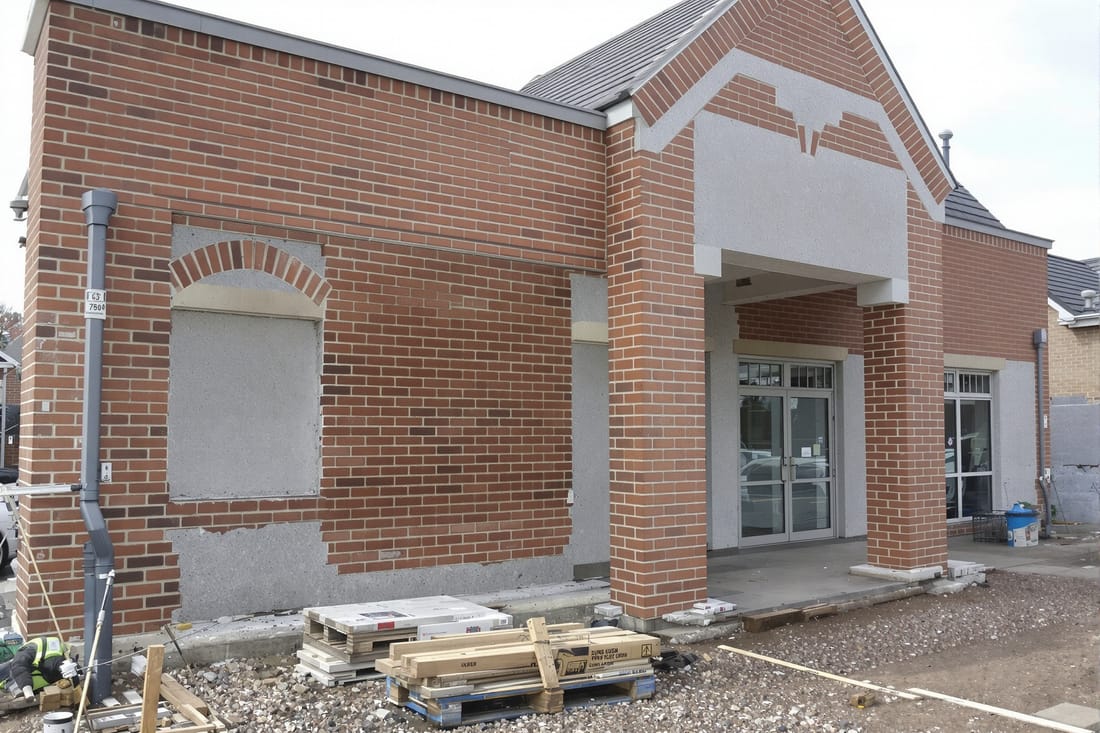
With supports in place, our masons begin laying brick, maintaining a drainage cavity (usually 1 to 2 inches) between the brick and backup wall. We add weep vents and flashing at the base of walls, above openings, and at shelf angles so any water that gets behind the veneer can exit. Mortar joints are tooled for weather resistance, and control joints are placed to manage thermal movement.
Finally, we clean the surface with appropriate detergents and low‑pressure washing, inspect all joints, and verify that flashings and weeps remain open. The end result is a complete commercial brick veneer system, not just a skin of brick.
Brick Veneer Options That Fit Detroit Buildings
Commercial brick veneer is more customizable than many owners realize. Superior Masonry Detroit walks you through realistic options instead of pushing a one‑size‑fits‑all specification.
Brick units: We source modular, utility, and oversized brick from regional manufacturers that understand Midwest climate demands. You can choose through‑body colors in reds, buffs, browns, charcoal, and blends that complement existing Detroit architecture. For historic neighborhoods, we can match older textures and colors to satisfy historic commission staff.
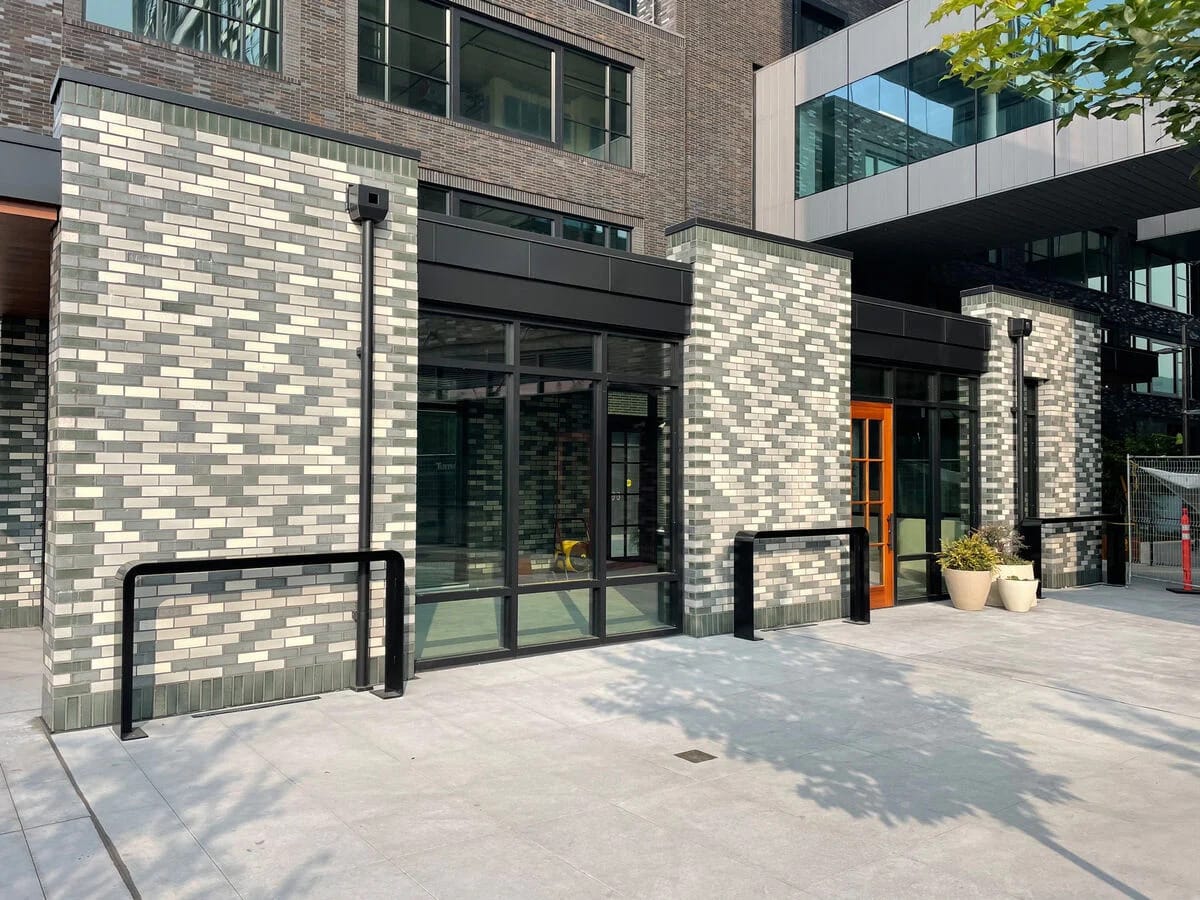
Patterns and accents: Running bond is common, but commercial projects often benefit from soldier courses above windows, stacked accent bands, or projecting brick details at entries. We can incorporate contrasting colors around storefronts or building corners to add depth without ballooning costs.
Mortar and joint profiles: Mortar color subtly changes the appearance of the façade. Light mortar can brighten dark brick, while dark mortar can make joints visually recede. Joint tooling options like concave or V‑joint can improve water shedding, which is important with Detroit’s freeze–thaw cycles.
System type: Some projects call for traditional anchored veneer with a continuous cavity, while others may use a thin brick veneer system over metal panels for weight savings. We explain the trade‑offs in durability, cost, and schedule so you can select what suits your property and budget.
Energy and moisture upgrades: If you are trying to improve energy performance, we can combine brick veneer with continuous insulation, vented cavities, and upgraded air barriers. For high‑moisture areas like near loading docks or grade changes, we may recommend enhanced flashing details and drainage mats behind the brick.
What Affects the Cost of Commercial Brick Veneer
Property owners often ask why commercial brick veneer pricing can vary so widely between projects. At Superior Masonry Detroit, we walk you through the main cost drivers so you can plan realistically and compare bids fairly.
Building height and access: Multi‑story buildings require more scaffolding, lift equipment, and safety measures than a single‑story storefront. Tight downtown sites may need sidewalk protection, lane closures, or night work, which can increase labor costs.
Substrate condition: On older Detroit buildings, the existing CMU or concrete may need patching, crack repairs, or reinforcement before it can safely support new veneer. Correcting past water damage or unreinforced parapets can add to the scope but is critical for long‑term performance.
System type and detailing: Anchored brick veneer with a full cavity, upgraded flashing, and continuous insulation will cost more than a basic veneer without energy upgrades. Corners, punched openings, decorative banding, and complex transitions around storefront systems and canopies also increase labor time.
Material selection: Premium face brick, custom shapes, and special textures or glazes carry higher material prices. Mortar additives for cold‑weather work, stainless steel anchors, and higher‑grade flashing membranes are investments in durability that we can price transparently.
Schedule and season: Detroit winters require cold‑weather masonry practices, such as heated enclosures and controlled curing, which affect costs. Compressed schedules that require additional crews or overtime will increase labor rates. We help you schedule work to balance budget and timing when possible.
Our estimates break out these components so you understand where your money is going and which options are flexible versus required by code or structural realities.
Local Codes, Permits, and Inspections in Detroit
Commercial brick veneer projects in Detroit must comply with the Michigan Building Code as adopted by the City of Detroit, along with any specific local amendments. Superior Masonry Detroit is familiar with these requirements and incorporates them into every design and installation.
For most commercial façades, you will need permit drawings that show veneer thickness, anchoring, shelf angles, control joints, and drainage details. We coordinate with your architect or engineer to provide the masonry input and shop drawings needed for permit submittal.
We plan anchor spacing, support angles, and relief points so they meet structural requirements for wind loads in our region. In areas with heavy pedestrian traffic, inspectors pay close attention to attachment integrity and corrosion resistance, so we specify anchors and fasteners that pass those reviews.
During construction, city inspectors may check substrate preparation, moisture barrier installation, anchor attachment, and cavity clearances before large sections of veneer are closed in. We schedule inspections in advance and keep documentation on site so these checks do not delay your project.
If your property falls within a Detroit historic district, there may be additional approval steps related to brick color, size, and joint profiles. We can provide sample panels and mockups to help your design team navigate those reviews while staying within a practical budget.
Common Problems With Brick Veneer and How We Prevent Them
Many of the brick veneer failures seen around Detroit share the same root causes: poor water management, inadequate support, and rushed workmanship. Superior Masonry Detroit designs and builds systems to avoid these issues from the start.
Water intrusion: When flashings are omitted or weep holes are blocked, trapped water can freeze, expand, and crack brick or mortar. We use properly lapped flashings, open weeps at regular intervals, and drainage planes that allow water to exit the wall cavity.
Bulging or cracking: Inadequate anchors, misplaced control joints, or improper shelf angle support can lead to bulging walls and cracking. Our crews follow engineered anchor layouts, install control joints at planned locations, and verify that shelf angles are shimmed and anchored correctly before any brick goes up.
Efflorescence: White staining on the surface of brick is often caused by soluble salts migrating to the exterior. We minimize this by choosing appropriate mortars, managing water exposure during construction, and using cleaning methods that do not drive salts deeper into the masonry.
Freeze–thaw damage: Detroit’s climate can be harsh on poorly detailed veneer. We select brick rated for severe weather exposure, tool joints for water resistance, and pay close attention to horizontal surfaces like sills, parapets, and caps where water tends to sit.
Maintenance neglect: Even a well‑built veneer needs occasional inspection. We offer maintenance assessments for commercial clients, checking for open joints, sealant failure around windows, clogged weeps, and damaged flashings before they become expensive problems.
Why Detroit Owners Choose Superior Masonry Detroit
Choosing the right contractor for a commercial brick veneer project is as important as choosing the brick itself. Superior Masonry Detroit focuses specifically on the conditions and needs of commercial properties in our city and surrounding suburbs.
We work comfortably with general contractors, building owners, and property managers, adjusting communication to fit each project. On retail and office buildings that must remain open, we coordinate phasing so entries stay usable and businesses can continue operating while we work.
Our crews are trained in both traditional full‑bed masonry and modern panelized and thin‑brick veneer systems, so we can help you evaluate options rather than forcing one method for every project. Because we are local, we are available for follow‑up, warranty issues, and future expansions, and we stand behind the work we install.
If you are considering commercial brick veneer for a new development or for upgrading an aging façade anywhere in Detroit, we can provide a site visit, realistic budget range, and a clear path from design to inspection. You get a brick veneer system built for Detroit’s climate and codes, with craftsmanship that reflects the long masonry legacy of our city.