Home › Foundation and Basement Masonry
We specialize in masonry foundation repair in Detroit, MI, stabilizing cracked or bowing block and stone basement walls. Our services include structural reinforcement, crack injection, wall rebuilding, and moisture control to help protect your home from further damage.
Superior Masonry Detroit provides professional masonry foundation repair throughout Detroit, MI, Michigan and the surrounding area. Our licensed, insured crew delivers safe, clean, on-time work with a free estimate before anything begins. Call (313) 464-0145 or request your free quote.
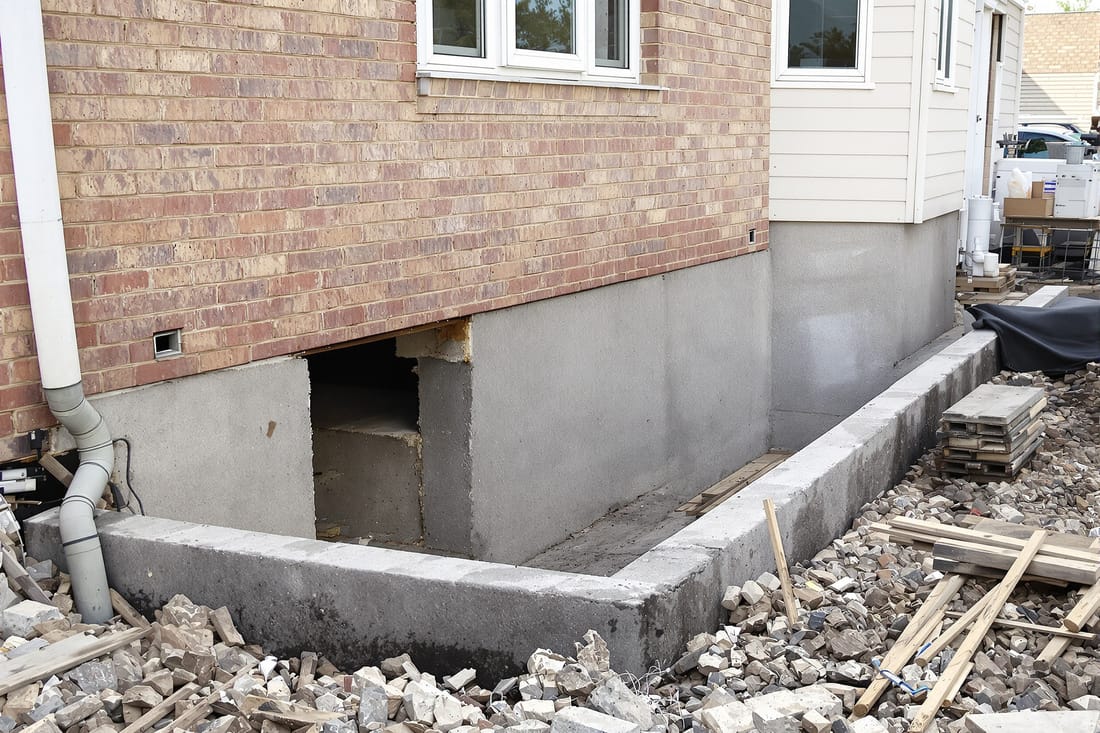
Masonry foundation repair for Detroit homes
Detroit’s housing stock is unique, with everything from 1920s brick colonials in Rosedale Park to post-war bungalows on the east side and newer infill around Corktown. Each of these buildings has a different type of foundation and different problems. At Superior Masonry Detroit, we focus specifically on masonry foundation repair and basement structural work that fits how homes here were actually built.
When we visit your home, we start with a visual and structural assessment of the full foundation line, both inside and outside. We look at mortar condition, brick or block displacement, moisture staining, sill plate contact, and any previous patch work. For basements, we check each wall course by course, look for step cracking, bowing, efflorescence, and damp spots, and note how the floor slab meets the walls. This level of detail lets us recommend the right permanent repair instead of a short-term cosmetic fix.
Because our crews work only in metro Detroit, we recognize patterns that matter. For example, many older Detroit homes sit on brick or stone foundations that have been partially parged or coated with cement at some point. Newer homes more often have concrete block. Each type moves and deteriorates differently in our freeze-thaw climate near the river. Our repair plans are built around what your home actually has, not a one-size template.
Common foundation and basement problems we see in Detroit
Most masonry foundation repair projects we handle fall into a few clear categories, which can help you understand what you may be seeing in your own basement.
Cracked mortar joints: Mortar between bricks or blocks can dry out, shrink, or wash away over decades. In Detroit’s older basements, we often see soft, sandy mortar or gaps you can scrape with a fingernail. Left alone, this lets water and cold air move through the wall and weakens its structural integrity. The solution is usually careful grinding and tuckpointing with a compatible mortar, sometimes combined with wall reinforcement.
Horizontal or stair-step cracks: A long crack running along a horizontal mortar joint, or stair-step cracks in a corner, often means soil pressure from the outside. This is common in neighborhoods with heavier clay soils like parts of northwest Detroit and Redford border areas. Depending on severity, solutions may include wall bracing, carbon fiber reinforcement, or partial wall rebuilding along with exterior drainage improvements.
Bowing or leaning walls: If a basement wall curves inward, even slightly, we take that seriously. This can be caused by years of saturated soil pushing on the wall, often made worse by downspouts that discharge next to the foundation. We measure the deflection, track any previous movement, and recommend reinforcement or rebuild before the condition worsens.
Water seepage and efflorescence: White powder on the wall, damp mortar lines, or water at the cove joint where wall meets floor are all warning signs. While some of this is a drainage issue, damaged masonry makes it worse. We address both, repairing the wall and advising on gutters, grading, and waterproofing options that work for Detroit basements.
How Superior Masonry Detroit actually repairs masonry foundations
Once we have inspected your foundation, we walk you through a step-by-step repair plan, explaining what will happen in your basement so there are no surprises.
Prep and protection: We move or cover appliances, shelving, and stored items near the work area. Floors are protected with heavy-duty coverings. If we need exterior access, like along a driveway or alley, we coordinate with you and any neighbors to reduce disruption.
Mortar removal and tuckpointing: For deteriorated mortar, we mechanically grind out joints to a controlled depth, usually about 1/2 to 3/4 inch, using dust-controlled tools. On softer historic brick, we may hand-chisel to avoid damaging the units. Joints are then cleaned and repacked with a mortar that is compatible in strength and permeability with your existing masonry, which is especially important on older Detroit brick. Matching strength prevents new mortar from being too hard and causing the brick face to spall.
Structural rebuilding: Where blocks or bricks have shifted, spalled, or lost bearing capacity, we remove compromised units section by section and rebuild that portion of the wall. This might involve replacing a few courses above a basement window, rebuilding a corner, or reconstructing a bulged area. We tie new masonry into the existing wall with masonry reinforcement and proper bonding patterns.
Reinforcement systems: For bowing or cracked walls that are still structurally recoverable, we may recommend carbon fiber straps, steel channel braces, or pilasters, depending on wall type and access. In many Detroit basements with limited headroom, low-profile systems like carbon fiber can provide strong reinforcement without eating up valuable space.
Finish and cleanup: Once work is complete, we tool joints, patch surrounding surfaces, and can apply breathable masonry coatings where appropriate. We remove dust and debris and leave the basement usable, not like a construction site.
Materials and design choices for Detroit basements
Masonry foundation repair is not only about fixing what is broken, it is also about choosing materials and details that will hold up in Detroit’s real conditions.
Mortar type: Many older Detroit homes were built with lime-rich, softer mortar, while later homes used harder Portland-based mixes. At Superior Masonry Detroit, we test or closely examine existing mortar and select a compatible type. Using a mortar that is too strong on older brick can trap moisture in the bricks and cause face popping over a few winters.
Block vs brick vs stone: We commonly see three kinds of basement walls: brick, concrete block, and, in some pre-1920 homes, fieldstone or rubble stone. Brick walls benefit from breathable interior finishes and gentle cleaning. Concrete block walls can accept a wider range of reinforcement systems and interior waterproofing coatings. Stone foundations often need careful repointing and sometimes interior support piers if settlement is present.
Interior finishes: If your basement is finished or you plan to finish it, we factor that into the repair. We might recommend certain wall coatings that remain vapor permeable, or suggest leaving a small inspection gap at the base of finished walls so any future seepage is visible before it becomes major damage.
Energy and comfort: Properly restored masonry, with tight joints and addressed cracks, reduces drafts and cold spots. When combined with basic upgrades like insulated rim joists and correct guttering, many Detroit homeowners notice a drier, more comfortable basement without resorting to extreme mechanical dehumidification.
What drives the cost of masonry foundation repair in Detroit
Homeowners often want to know why one project costs more than another. Several specific factors affect pricing for foundation and basement masonry in Detroit.
Extent and location of damage: Repointing a few linear feet of cracked mortar along a single wall is very different from rebuilding a bowed section or corner. Work near utility lines, furnaces, or tight stairwells can take longer simply because of access.
Type of foundation: Brick, block, and stone require different labor and sometimes different materials. Historic brick and stone repairs, common in older Detroit neighborhoods near the river and city center, usually take more time and care than standard block work in newer subdivisions.
Structural reinforcement needs: If your wall needs bracing or carbon fiber reinforcement, that adds material and engineering considerations. In some cases we coordinate with structural engineers, particularly if there is significant movement or if the city requires documentation for permits.
Water management add-ons: Many Detroit foundations suffer from both structural and water issues. If you choose to address drainage, sump basins, or interior water channels at the same time as masonry repair, your total investment will be higher, but it may save you from re-opening finished areas later.
Scheduling and logistics: Homes with limited driveway space, narrow side yards, or shared alleys may require more set-up time or creative access. We are transparent about how these factors affect the estimate and provide written scopes so you can see where your money goes.
What Detroit homeowners should check before hiring a masonry company
Choosing someone to work on your foundation is a big decision. Here are practical steps we encourage Detroit homeowners to take, whether you hire Superior Masonry Detroit or not.
Verify local experience: Ask how many masonry foundation repair projects the company has handled in Detroit specifically, not just in Michigan. Soil, code expectations, and typical construction differ by region. Local experience means the crew has seen the kinds of basements we have here, including brick-on-stone hybrids and older unfinished cellars.
Ask for detailed scope, not just a price: A good estimate should spell out which walls are being worked on, how many linear feet of joints will be repointed or rebuilt, what type of reinforcement is being used, and what kind of cleanup and finishing you can expect. Vague notes like "fix cracks" can hide partial or cosmetic fixes.
Material and method questions: Ask which mortar type they will use, how they control dust in your home, and whether they plan to grind joints or simply smear new mortar over old. True tuckpointing involves grinding or chiseling out joints before refilling. Smearing over, often called "skimming," looks nice for a short time but fails quickly.
Permits and inspections: Some structural repairs and exterior excavation in Detroit require permits. Reputable contractors will explain when this applies to your job and will either pull the permits or guide you through the process.
References in your neighborhood: Ask for addresses or references from similar homes, ideally in your part of the city. Seeing repairs on another 1920s brick house in your ZIP code can give you confidence in how the work will look and last.
Our process and scheduling for Detroit foundation and basement work
When you contact Superior Masonry Detroit about a possible masonry foundation repair, we follow a straightforward process designed for busy homeowners.
Initial call and questions: We start by asking what you have seen (cracks, water, leaning walls), how old your home is, and whether the basement is finished. If you can safely text or email photos, that helps us understand urgency, but we always confirm with an in-person visit before final pricing.
On-site inspection: A technician meets you at the property, walks the interior and accessible exterior, and may use levels or laser lines to check wall plumbness. We look at drainage patterns, gutter discharge points, and grading because these directly affect basement walls in Detroit’s climate and clay soils.
Written proposal: Within a short time, we provide a clear, written proposal outlining scope, materials, estimated timeline, and total cost. If there are optional items, like additional wall reinforcement or drainage work, we list them so you can prioritize within your budget.
Scheduling and execution: Once you approve, we schedule the work at a time that fits around your family and any tenants. Most residential projects take from one day for minor repairs up to a week or more for extensive wall rebuilds or multiple reinforcement systems. We keep you updated each day about progress and next steps.
Final walkthrough and care tips: At completion, we review the work with you, show before and after areas, and explain what to watch for over time, such as new cracks, sticking doors, or unusual moisture. We also discuss simple maintenance like keeping downspouts extended and watching driveway or sidewalk settlement next to your foundation so your repaired masonry stays sound as long as possible.