Home › Masonry Restoration and Historic Preservation
We perform historic masonry restoration in Detroit, MI, preserving brick and stone facades on older commercial and institutional buildings. Our services include mortar analysis, gentle cleaning, brick replacement, and detailed repairs that respect original design and materials.
Superior Masonry Detroit provides professional historic masonry restoration throughout Detroit, MI, Michigan and the surrounding area. Our licensed, insured crew delivers safe, clean, on-time work with a free estimate before anything begins. Call (313) 464-0145 or request your free quote.
Masonry restoration in Detroit’s real conditions
Historic masonry restoration in Detroit is different from working in a mild climate. Our winters, freeze-thaw cycles, road salt, and older coal-fired heating histories all leave distinct marks on brick and stone. Superior Masonry Detroit specializes in reading those signs so repairs last more than a few seasons.
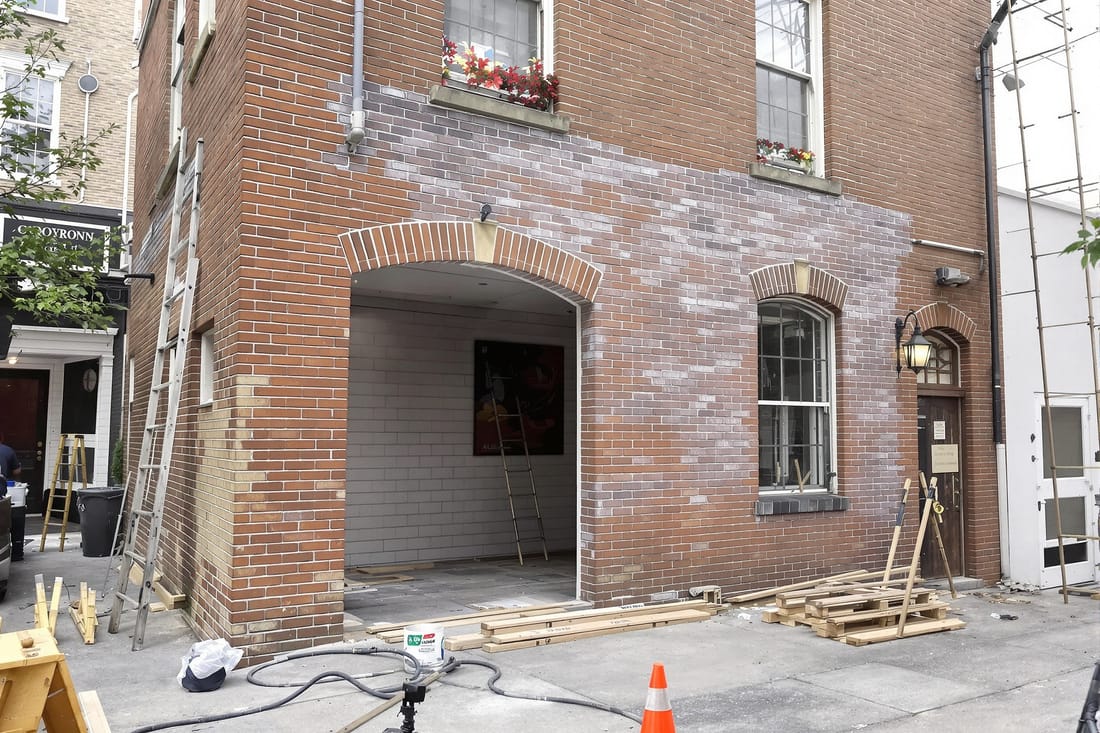
On a typical project we start with a close visual survey from the basement to the chimney cap. We look for spalled brick faces, open mortar joints, stair-step cracking near corners, white efflorescence, and bulging walls that may indicate hidden structural issues. In Detroit, we also pay attention to past repairs, especially hard Portland cement mortars and generic “red brick” patches that can trap moisture in older walls built with softer clay brick.
We document conditions with photos and notes, then meet you on-site to explain what we see in plain language. For historic properties in areas like Boston-Edison, Indian Village, Palmer Woods, and older commercial corridors, we consider both building age and local brick manufacturers that were active when your structure was built. This helps us plan restoration that fits your building’s actual history, not a one-size-fits-all solution.
Historic masonry restoration process, step by step
Once we agree on a scope, Superior Masonry Detroit follows a clear process designed for older brick and stone, not just new construction repairs.
1. Investigation and testing: We remove a small amount of existing mortar from a discreet area and test hardness, color, and aggregate under magnification. On significant historic projects we can arrange lab analysis to determine original lime content and compressive strength. This guides us in choosing a compatible restoration mortar.
2. Cleaning before repair: If walls are coated with soot, paint, or biological growth, we clean a small test patch first. For most Detroit brick we use low-pressure water and specialized masonry detergents, never high-pressure washing that can erode soft faces. On limestone and decorative terra cotta we may use poultices for stain removal.
3. Mortar removal (tuckpointing): We grind or hand-chisel out deteriorated mortar to the proper depth, usually 2 to 2.5 times the joint width, using small-diameter wheels and vacuum shrouds to limit dust. We avoid chipping brick arrises. Only loose or damaged mortar is removed, solid material that is still sound is left in place.
4. Matching and repointing: We custom blend sand size, color, and binder to match both appearance and strength. For pre-World War II Detroit brick, this often means a lime-rich, lower-strength mix so the mortar remains the sacrificial element instead of the brick. Joints are packed in layers and carefully tooled to match the original profile, whether struck, flush, or weathered.
5. Brick and stone replacement: Severely spalled or fractured units are removed, surrounding joints are cleaned, and new brick or stone is installed on full beds of compatible mortar. We source salvaged brick from regional yards when possible to get closer color and texture matches.
6. Final washing and inspection: After curing time, we gently wash surfaces to remove haze and revisit all elevations for missed cracks, hairline separations, or color inconsistencies so they can be corrected before we consider the job complete.
Preserving Detroit’s historic character and details
Historic preservation is not just about keeping water out, it is about protecting the story your building tells. Superior Masonry Detroit pays special attention to architectural details that define Detroit’s older homes, churches, and commercial buildings.
If your property has decorative brickwork such as corbelled cornices, arched window heads, or patterned bands, we document these areas with detailed photos and measurements before starting. When rebuilding damaged sections, we relay brick in the same bond pattern and unit orientation. On 1920s-era storefronts we often encounter structural glazed tile or ornate terra cotta, which requires different mortars and sometimes stainless steel anchoring systems.
For stone foundations and trim, we identify whether the material is limestone, sandstone, or granite, since each responds differently to salt, water, and cleaning chemicals. Chips and losses can be repaired with color-matched mineral-based repair mortars shaped to match the original profile. Where decorative stone is structurally compromised, we work with local suppliers to obtain new units cut to similar dimensions, then install them using non-staining anchors.
We also consider how previous alterations have changed historic facades, such as bricked-in windows or removed cornices. When clients want to restore original openings or detailing, we coordinate with historic photographs, Sanborn maps, or city archives when available so the work is historically credible, not just decorative guesswork.
What affects cost in masonry restoration and how to budget
Historic masonry restoration pricing in Detroit varies widely because no two buildings and no two previous repair histories are the same. Superior Masonry Detroit walks you through the drivers of cost so you can prioritize what matters most.
Key factors include access and height (single-story garage vs three-story apartment), the amount of deteriorated mortar that must be removed, and how many masonry units need replacement rather than simple repointing. Chimneys, parapet walls, and cornices usually cost more per square foot because of scaffolding, bracing, and safety requirements.
Mortar analysis and custom blending add time, but skipping this step can lead to costly damage later if an overly hard mortar is used with soft historic brick. Specialty materials such as custom terra cotta, carved stone replacements, or historically accurate lime putty mortars also influence budget.
We often break projects into phases so urgent water-infiltration issues are handled first, such as failed parapet caps or open vertical joints at corners, then less critical cosmetic work can be scheduled later. For Detroit homeowners, we can help you decide where limited funds will have the biggest impact on longevity, for example repointing full wall sections that face prevailing weather rather than spot repairs scattered over the entire house.
Before we price a job, we recommend you gather any previous inspection reports, insurance letters, or photos from past repairs. This reduces surprises once work begins and helps us give a more accurate fixed price or not-to-exceed estimate.
Local codes, permits, and historic guidelines in Detroit
Working on older masonry in Detroit often means navigating local rules so you do not run into problems at resale or with neighborhood groups. Superior Masonry Detroit is familiar with city requirements and the expectations of local historic districts.
Within City of Detroit Local Historic Districts, such as Indian Village or Boston-Edison, exterior masonry changes often require review and approval by the Detroit Historic District Commission. This can apply to visible repointing, rebuilding facades, or changing window and door openings. We can provide product data sheets, mortar samples, and before-and-after drawings to support your application.
For most standard residential projects outside of formal historic districts, masonry repointing alone usually does not require a building permit, but structural alterations, major chimney rebuilds, or parapet reconstruction often do. In those cases, we coordinate with licensed structural engineers if needed and handle permit drawings and inspections as part of the project.
Detroit’s property maintenance inspectors increasingly focus on loose brick, leaning chimneys, and unstable parapets as safety issues. When our restoration work is part of addressing a violation notice, we photograph conditions before, during, and after so you have a clear record to show the city, your insurer, or a future buyer.
Common Detroit masonry problems and how we solve them
Detroit’s building stock shows some recurring masonry issues, and knowing how they are typically resolved helps you ask better questions when you hire a contractor.
Freeze-thaw damage: Moisture enters small cracks, then expands when temperatures drop. This often shows as flaking brick faces on north and west walls. Our solution is to remove loose material, replace severely damaged brick, and repoint with a mortar that breathes so moisture can escape rather than build pressure in the wall.
Salt and de-icer damage: Houses and storefronts near busy streets can suffer from salt splash at the base of walls. We clean with appropriate detergents, remove damaged mortar, and in some cases apply breathable water repellents at the base course only, combined with site drainage improvements.
Old chimney failures: Many Detroit chimneys were built when coal was the main fuel, which produced acidic deposits. Combined with years of weather, crowns crack and flues shift. We often dismantle the chimney to below the roof deck, rebuild with matching brick, install new crowns with proper drip edges, and, if required by current codes, coordinate with HVAC professionals to line flues.
Improper past repairs: Hard, gray mortar or smeared joints that do not match the original are common. We selectively remove damaging materials, then repoint with correctly matched mortar and tooling so the wall both performs better and looks right for the age of the building.
Moisture trapped behind coatings: Painted or sealed brick can peel and spall. Where appropriate, we test small areas for paint removal with minimal abrasion or chemical strippers suited to masonry, then repair underlying brick and mortar before any new breathable finish is applied, or leave the masonry bare if that is historically accurate.
Why Detroit property owners choose Superior Masonry Detroit
Choosing a contractor for historic masonry restoration is not just about who can work a trowel. It is about who understands how that work affects your building 10, 20, or 50 years from now.
Superior Masonry Detroit focuses almost exclusively on masonry and has extensive experience with early 1900s brick homes, mid-century apartments, churches, and historic commercial blocks. Our crews are trained to differentiate between modern brick veneer construction and solid multi-wythe masonry, which is critical when planning structural repairs or moisture management.
We welcome questions and encourage you to walk the site with us while we work. Many of our Detroit clients are long-term homeowners who simply want to understand what is happening with their walls. We show you live examples of good original mortar next to failed joints, explain what is driving each issue, and review completed sections before scaffold is moved.
Every project includes a written scope that spells out which elevations and features are included, what materials will be used (by type, not just brand), and what is excluded, such as interior plaster repair or roofing work, so you know exactly what to expect. After completion, we provide maintenance recommendations tailored to your property, including when to plan the next inspection, how to manage gutters and downspouts to protect masonry, and what cleaning methods to avoid.
If you are considering work on a Detroit property with historic brick or stone and want a contractor who respects both the technical and the historic aspects of the job, Superior Masonry Detroit is ready to help.