Home › Commercial Brick Masonry
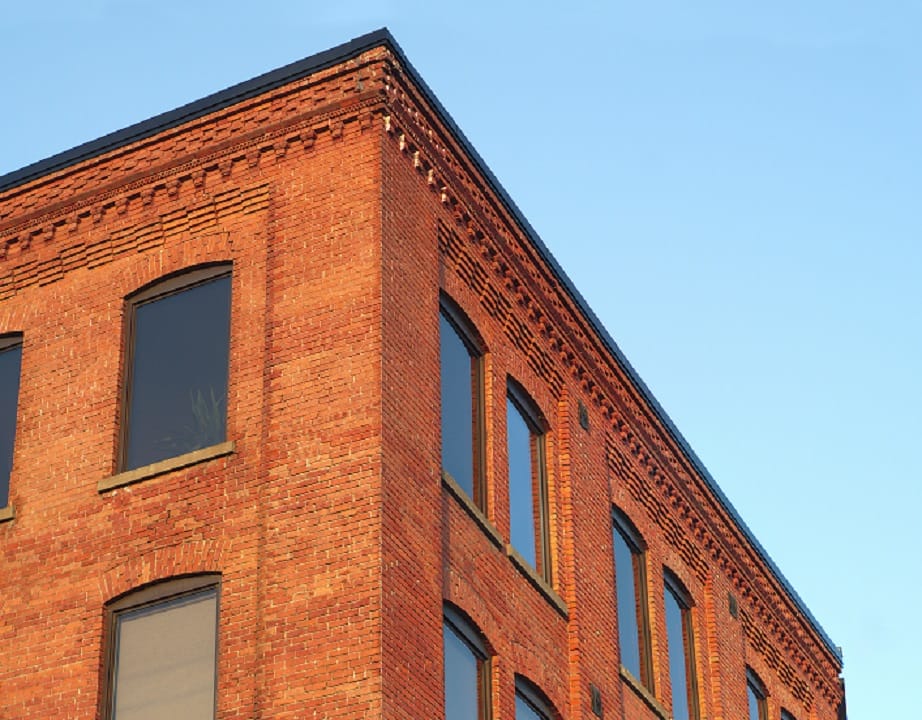
We provide commercial brick masonry in Detroit, MI for offices, retail centers, schools, and industrial buildings. Our crews handle structural brick walls, veneers, and infill with attention to schedule, safety, and consistent quality on large scale projects.
Superior Masonry Detroit provides professional commercial brick masonry throughout Detroit, MI, Michigan and the surrounding area. Our licensed, insured crew delivers safe, clean, on-time work with a free estimate before anything begins. Call (313) 464-0145 or request your free quote.
Commercial Brick Masonry for Detroit Facilities
Superior Masonry Detroit provides commercial brick masonry that is designed around Detroit building conditions, local codes, and the way your property is actually used. We focus on durable, code compliant brick work for retail centers, multi story offices, industrial buildings, schools, churches, and municipal facilities.
When we look at a new project, we start with how the wall or structure will perform over 20 to 50 years in Michigan freeze thaw cycles, snow load, and wind coming off the river. That is different from residential work and different from what is needed in warmer climates. We consider traffic patterns, vibration from nearby roads or rail, and the exposure each facade will have to sun and driving rain. The result is a brick system that stays straight, sheds water correctly, and keeps maintenance costs under control.
Whether you are planning new construction, adding on to an existing structure, or correcting years of deferred maintenance, our team develops a masonry scope that fits the real demands of Detroit commercial properties, not a generic checklist.
How Our Commercial Brick Masonry Process Works
For new brick construction or major facade work, Superior Masonry Detroit follows a structured process so owners, architects, and contractors always know what is happening on site.
1) Site and structure assessment: We review drawings, visit the site, and study the existing structure. On renovations we examine the backup wall, shelf angles, lintels, and previous patch work. This tells us if there are hidden issues like rusted steel, insufficient control joints, or saturated insulation.
2) Design coordination: We coordinate with your architect or engineer on brick type, cavity depth, insulation thickness, through wall flashing locations, and joint details. If you do not have a designer, we can recommend local professionals who know Detroit building department expectations. We verify fire ratings, wind load requirements, and parapet detailing that meets Michigan Building Code.
3) Submittals and approvals: Before laying a single brick, we prepare product data for brick units, mortar mix, flashing, weeps, anchors, and sealants. These submittals are packaged for GC and owner review and can be formatted for Detroit plan reviewers if the scope triggers a permit revision.
4) Sequencing and staging: Commercial work in tight Detroit sites often means limited staging space and live businesses next door. We plan scaffold locations, material deliveries, and crane picks around your operating hours, tenant needs, and safety zones that keep customers and employees clear of work areas.
5) Brick installation: Our crews set layout control, establish story poles, and follow a strict line and level process. We maintain consistent bed and head joint thickness, rake or tool joints as specified, and immediately strike and clean faces to avoid residue. Cavity walls are kept clear of mortar droppings by using mortar nets and drop boards, which is critical for proper drainage.
6) Quality checks and closeout: We verify weep spacing, through wall flashing laps, expansion joint placement, and sealant installation. For larger projects we can coordinate third party testing of mortar or pull tests on anchors if required by the spec. At turnover we provide maintenance guidance that is specific to the brick and mortar system installed on your property.
Material Options and System Choices for Detroit Projects
Commercial brick masonry is more than picking a color. The combination of brick unit, mortar, ties, flashing, and insulation determines how your wall performs in Detroit’s climate.
Brick types: We work with modular, utility, and engineer sized brick, as well as thin brick for panel systems. For high traffic or loading dock areas we often recommend harder face brick that resists impact and salt exposure from plowed snow. For historic districts or older Detroit corridors, we help match existing size, color range, and texture so additions do not look tacked on.
Mortar and joint selection: Mortar type is selected to balance strength and flexibility relative to the brick. Many commercial walls use Type N or S mortar, but we adjust based on structural demands and exposure. Joint profiles affect water shedding and visual shadow lines. Tooled concave joints typically perform best in our climate, while raked or flush joints are reserved for specific design goals with extra attention to water management.
Wall systems: You can choose between traditional brick cavity walls, brick veneer over steel studs, structural brick in limited applications, or prefabricated brick panels. Each has tradeoffs. For example, brick veneer over studs may save weight and foundation cost but requires precise air barrier detailing. Our role is to explain the implications for cost, schedule, and thermal performance, then build the system precisely as designed.
Accessories and finishes: Through wall flashing, end dams, masonry anchors, shelf angles, and joint sealants are often where commercial brick systems succeed or fail. We use stainless or high quality galvanized flashings where appropriate, and specify non clogging weeps to keep the cavity draining for the life of the building. Where graffiti is a concern, we can apply breathable anti graffiti coatings that allow the brick to dry out while making clean up faster.
Cost Drivers and Budget Planning for Commercial Brick Masonry
Owners and facility managers in Detroit often ask why two brick bids on the same project can differ significantly. The reason is that commercial brick masonry costs are driven by more than simple square footage.
Access and logistics: Projects in tight Detroit neighborhoods or downtown corridors usually require more scaffold work, material hoisting, and safety controls than open suburban sites. This affects labor hours and equipment costs. Night or weekend work to avoid disrupting tenants can also change pricing.
Wall complexity: Straight, uninterrupted stretches of wall are faster and more economical to build than elevations with many offsets, window openings, and architectural projections. Bands of projected brick, soldier courses, arches, pilasters, and inset panels all add time and require more layout and cutting.
Structural coordination: When shelf angles, lintels, and structural steel are not properly aligned or shored, the mason spends time correcting or working around them. On design build or early involvement projects, Superior Masonry Detroit helps coordinate these interfaces in advance, which often lowers total project cost even if unit pricing appears similar.
Material selections: Upgraded face brick, custom blends, special shapes, and stainless steel flashings or anchors carry higher material costs but may reduce long term maintenance. We present clear options so you can decide where premium materials make sense and where standard products are completely adequate.
Schedule pressure: Compressed timelines, winter conditions with heating and hoarding, and stacked trades all affect labor productivity. If your project requires winter work in Detroit, we will include realistic costs for temporary enclosures, heating, and cold weather admixtures so you are not surprised later.
Common Commercial Brick Problems in Detroit and How We Fix Them
The combination of lake effect moisture, road salt, and frequent freeze thaw cycles creates predictable brick issues in Detroit commercial buildings. Knowing what to look for can save owners from major structural repairs later.
Water intrusion and efflorescence: White staining on brick or interior leaks around windows usually indicate missing or failed flashing, clogged weeps, or compromised sealant joints. Superior Masonry Detroit addresses the source, not just the stain. We open select areas, inspect the cavity, replace damaged flashing and weeps, repoint joints, and reinstall sealants using proper backer rods and compatible products.
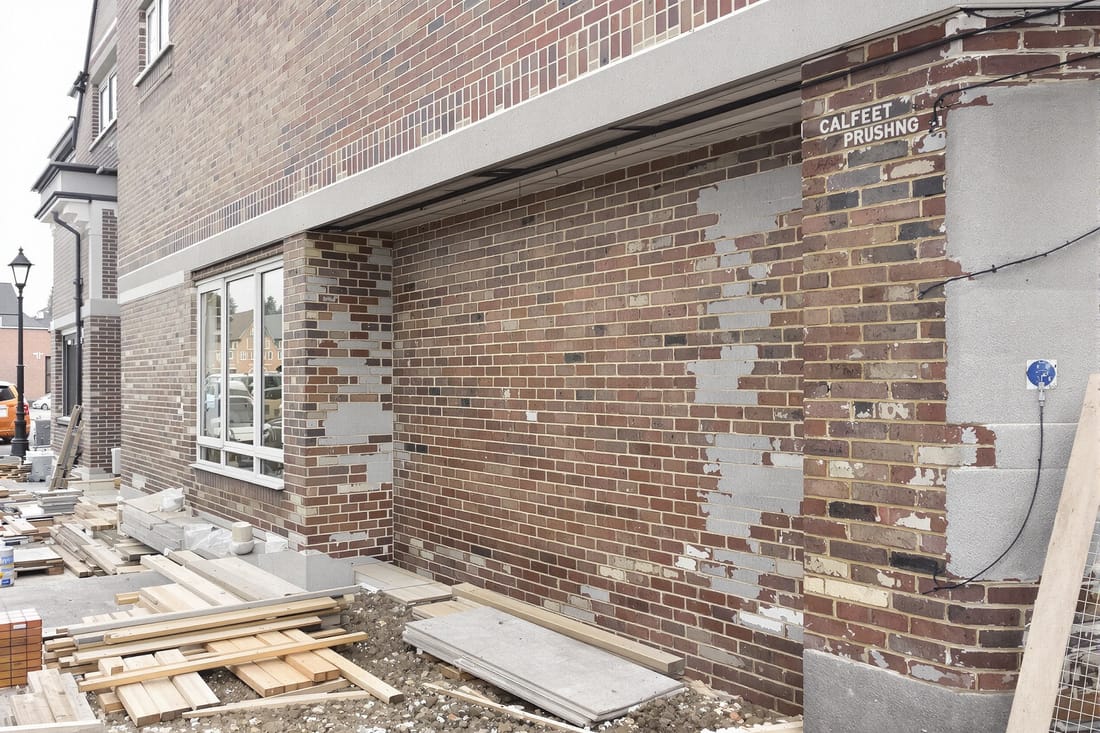
Spalling and brick face loss: When brick faces pop off or crumble, especially near grade or at parapets, moisture and salt are usually involved. If damage is limited, we can selectively remove and replace affected units with carefully matched brick. If deterioration is widespread, we may recommend rebuilding sections with more suitable units and improved water management details.
Bowing or cracked walls: Structural movement, missing or corroded anchors, and thermal expansion without adequate control joints can cause walls to bulge or crack. We assess whether the problem is localized veneer failure or deeper structural movement. Repairs might include installing new anchors from the exterior, adding or correcting expansion joints, and rebuilding unstable sections with proper reinforcement.
Aging sealants and joints: Many 20 to 40 year old commercial buildings in Detroit still have original sealants and mortars that have exceeded their life. We provide targeted repointing and joint sealant replacement that restores weather resistance without replacing entire walls. This approach is less disruptive to tenants and often fits capital improvement budgets more easily.
Permits, Codes, and Inspections for Detroit Commercial Masonry
Commercial brick masonry in Detroit is subject to specific permitting and inspection requirements that residential projects often do not encounter. Superior Masonry Detroit works within this framework every day so your project moves smoothly from design through final inspection.
Permitting: New commercial structures, major facade modifications, and structural repairs typically require building permits issued through the City of Detroit Buildings, Safety Engineering, and Environmental Department (BSEED). On GC led projects we support the permit package with detailed scope descriptions and product data. For direct to owner repair projects, we can coordinate with your design professional to ensure required drawings and calculations are in place.
Code compliance: Michigan Building Code governs structural design, fire resistance, energy performance, and weather protection. In masonry this translates into requirements for wall anchorage, lateral support, height to thickness ratios, fire rated wall assemblies, and insulation levels. We build to the approved documents and flag any conflicts between field conditions and drawings before they become inspection issues.
Inspections and testing: Depending on project size and type, the city or your specification may require special inspections, prism tests, or mortar testing. We coordinate access and timing for inspectors, provide samples, and maintain daily reports that document weather conditions, mix proportions, and placement sequences. This documentation can be important if warranty or insurance questions arise later.
Historic and district considerations: In older Detroit corridors and designated districts, exterior changes may be reviewed for compatibility with existing streetscapes. When commercial brick work affects visible facades, we can assist your design team by supplying brick samples and mock up panels that help secure approvals while ensuring the final wall can actually be constructed efficiently.
What To Clarify Before You Hire a Commercial Brick Mason
Before you award a commercial brick masonry contract, there are key questions that protect your schedule and your building for the long term.
Scope clarity: Make sure the proposal spells out whether demolition, cleaning, scaffolding, flashing replacement, sealants, and lintel work are included. Many change orders come from items that were assumed but not written down. At Superior Masonry Detroit we itemize these so you can compare bids fairly.
Mock ups and samples: For visible facades, ask how brick blends, joint profiles, and cleaning methods will be approved. A field mock up lets you see the exact combination of brick, mortar color, joint tooling, and cleaning before the full building is laid.
Cold weather and hot weather plans: Detroit’s climate means some projects will run in temperature extremes. Ask how the mason will protect mortar in winter, control rapid drying in summer, and what conditions will trigger weather related schedule adjustments.
Warranty and maintenance: Request written information about workmanship warranty length and what maintenance is recommended. Quality commercial brick masonry should include guidance on joint resealing cycles, recommended cleaning products, and periodic inspection points.
Coordination with other trades: Masonry intersects with roofing, window systems, air barriers, and structural steel. Confirm who is responsible for tying flashing into roofing, how window frames will integrate with the brick opening, and how penetrations for mechanical systems will be sealed. Clear answers before work starts prevent finger pointing later.
When you work with Superior Masonry Detroit, you get a commercial brick partner that treats your building as a long term asset, not just a project on this year’s schedule.